How to Choose the Perfect Office Table for Your Workspace Needs
Selecting the perfect office table is a crucial step in creating a productive and inspiring workspace. An office table serves not just as a functional piece of furniture, but also as a focal point that can influence the overall atmosphere of your working environment. With a myriad of designs, styles, and sizes available, the task of choosing the right office table can be both exciting and overwhelming. However, understanding the specific needs of your workspace is key to making an informed decision.
When considering an office table, it is essential to factor in the layout and dimensions of your space, as well as intended use. Whether you need a table for focused work, collaboration, or creative brainstorming, the design should facilitate your workflow and enhance efficiency. Additionally, consider the materials and aesthetic appeal that align with your personal style and professional image. By paying attention to these details, you can select an office table that not only meets practical requirements but also contributes to a comfortable and motivating work setting. Ultimately, making the right choice will lead to improved productivity and satisfaction in your workspace.
Understanding Your Workspace Requirements for an Office Table
When selecting the perfect office table, understanding your workspace requirements is paramount. The size and layout of your office can significantly influence the choice of table you make. A compact workspace may necessitate a smaller, more versatile table that fits seamlessly into the available area without overcrowding.
Alternatively, if you have a spacious area, you might opt for larger tables that can accommodate multiple users or allow for collaborative work environments.
Assessing the dimensions of your office and the flow of movement within the space is essential for optimizing functionality and comfort.
Moreover, the intended use of the table should guide your decision-making process. Consider the primary activities that will take place at the table—whether it’s for individual tasks, meetings, or creative brainstorming sessions. A multi-functional table with storage options may be essential for those who require a clutter-free environment. Additionally, think about the style and aesthetic that aligns with your office decor, as this can enhance not only the visual appeal but also the overall atmosphere of the workspace.
Understanding these aspects will help you choose an office table that meets both practical needs and contributes to a productive work environment.
Evaluating Different Types of Office Tables: Pros and Cons
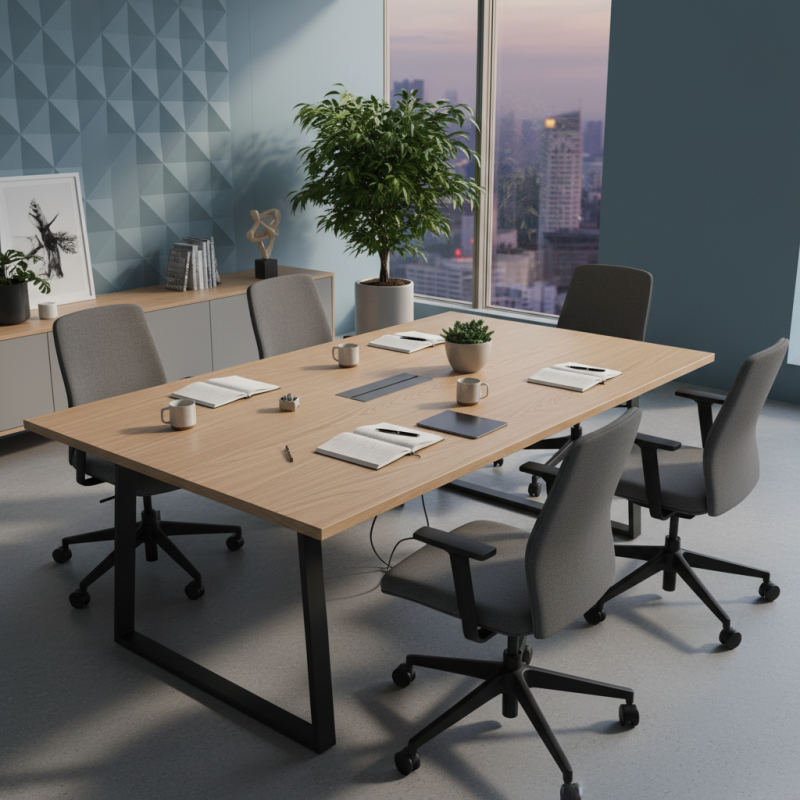
When selecting the perfect office table, it's essential to evaluate the pros and cons of various types to find one that meets your workspace needs. Traditional rectangular tables are a popular choice due to their versatility and straightforward design. They can accommodate multiple users, making them suitable for collaborative work environments. However, their fixed shape may limit flexibility in arranging your workspace and optimizing for different activities.
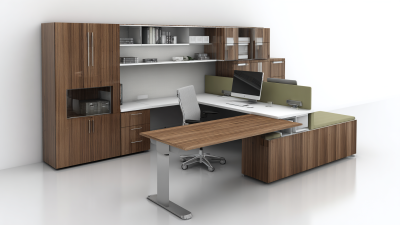
On the other hand, L-shaped and U-shaped desks can provide ample surface area while defining distinct work zones within the office. These designs are advantageous for professionals who need dedicated spaces for different tasks — for instance, a separate area for computer work and another for paperwork. However, they may require more floor space, which can be a drawback in smaller offices. Additionally, standing desks have gained traction for their ergonomic benefits, promoting better posture and reducing sedentary behavior. Yet, they may not be suitable for all tasks or users, as some might prefer the comfort of a seated position during extended periods of work.
Office Table Types Comparison
Selecting the Right Size and Shape for Your Office Layout
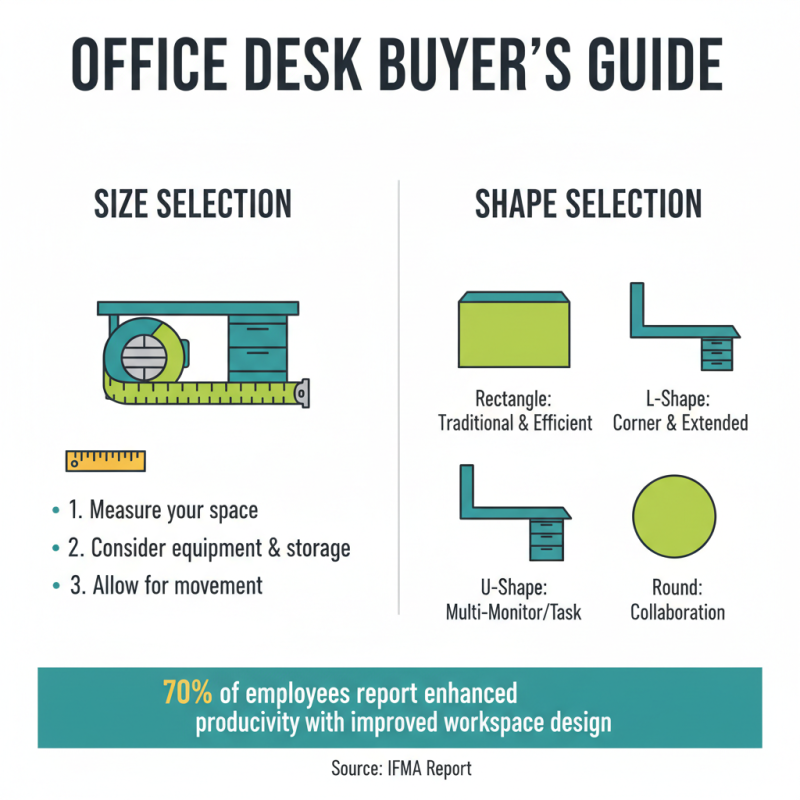
When selecting the appropriate size and shape for your office table, it's crucial to consider how each element works within your overall workspace layout. According to a report by the International Facility Management Association, approximately 70% of employees believe that the right workspace design enhances their productivity. Therefore, choosing a table that fits seamlessly into your office not only improves aesthetics but also maximizes efficiency.
The shape of the table is also an essential factor. For instance, rectangular tables are favored in traditional office layouts as they facilitate collaboration by accommodating multiple individuals. On the other hand, round tables promote discussion within teams, making them ideal for brainstorming sessions. A report from the Global Workplace Analytics suggests that an increase in collaborative areas is linked to a 20% rise in employee engagement, reinforcing the importance of selecting a shape that suits the intended function of your space.
In terms of size, the table should not only match the dimensions of your office but also provide adequate personal space for each user. Industry studies indicate that an office desk size of at least 60 inches wide offers sufficient room for computers and paperwork while avoiding a cramped atmosphere. Furthermore, ensuring that there is at least three feet of space around the table can enhance movement and accessibility, contributing to a more productive work environment. Balancing size and shape with functionality ultimately leads to an effective workspace tailored to your specific needs.
Material Considerations: Durability and Aesthetic Appeal
When selecting the perfect office table for your workspace, one of the most critical aspects to consider is the material's durability and aesthetic appeal. A robust table made from high-quality materials not only enhances the longevity of your furniture but also contributes to the overall atmosphere of your workspace. According to a report by IBISWorld, the office furniture manufacturing industry in the U.S. is expected to reach $13 billion in revenue by 2025, highlighting the growing emphasis on quality materials that meet both functional and aesthetic demands.
When it comes to material choices, wood, metal, and laminate are among the most popular options. Solid wood offers a timeless and elegant look, but it can be susceptible to scratches and moisture damage. In contrast, metal provides a modern appearance and exceptional durability, making it suitable for high-traffic environments. Meanwhile, laminate surfaces offer a budget-friendly alternative without skimping on style or practicality, as they come in various finishes that can mimic more expensive materials.
Tips: When choosing your office table, consider factors such as the expected wear and tear and the overall design style of your workspace. For high-usage areas, opt for materials like metal or high-quality laminate that can withstand daily use. Additionally, think about how the table’s material will blend with other office elements, ensuring a harmonious and professional appearance that promotes productivity and creativity in your work environment.
Budgeting for Your Office Table: Cost vs. Quality
When budgeting for an office table, one of the most crucial considerations is finding the balance between cost and quality. A lower price point may initially seem attractive, but it often comes with compromises in durability and functionality. For instance, tables made from inferior materials might wear out faster, leading to more frequent replacements and ultimately increasing long-term costs. Therefore, it’s essential to consider the table as an investment; opting for a slightly higher-quality piece can save money in the long run.
Quality office tables are designed to withstand daily use and maintain their structural integrity over time. They often feature ergonomic designs that enhance comfort, improving productivity. While high-quality options might require a larger initial expenditure, their longevity and the potential boost in efficiency can offset the upfront costs. Buyers should assess their specific needs and weigh the advantages of durable materials and thoughtful design against their budget constraints, ensuring that the chosen table not only fits financial limitations but also supports their work environment effectively.
How to Choose the Perfect Office Table for Your Workspace Needs - Budgeting for Your Office Table: Cost vs. Quality
| Table Type |
Material |
Size (LxW in inches) |
Price Range (USD) |
Durability Rating (1-5) |
| Executive Desk |
Wood |
60x30 |
$800 - $2000 |
5 |
| Height Adjustable Table |
Metal/Wood |
48x24 |
$300 - $800 |
4 |
| Small Desk |
Laminate |
40x20 |
$150 - $400 |
3 |
| Conference Table |
Wood/Glass |
96x48 |
$1000 - $5000 |
5 |
| Collaborative Table |
Plastic/Wood |
72x36 |
$500 - $1200 |
4 |