Top Ergonomic Furniture Tips for Maximum Comfort and Productivity?
In today’s fast-paced work environment, comfort is crucial for productivity. Ergonomic Furniture plays a vital role in achieving this balance. Renowned ergonomic expert Dr. Andrew Johnson once said, “Proper furniture design can transform your workspace into a haven of efficiency.” This insight highlights the power of targeted design in enhancing our work experience.
Many individuals overlook the importance of ergonomic seating and desk height. Chairs without lumbar support may lead to long-term discomfort. Similarly, desks that are too low or high can strain the back and neck. Investing in the right Ergonomic Furniture can prevent these issues. However, the choice can be overwhelming. Many people settle for aesthetic rather than functional pieces.
Creating an ideal workspace requires careful consideration. It shouldn't just be about looks. Factors like adjustability and comfort must be prioritized. While some may find it challenging, implementing small adjustments can profoundly impact well-being. Recognizing discomfort is the first step toward improvement. Choosing the right Ergonomic Furniture can ultimately lead to happier, healthier workdays.
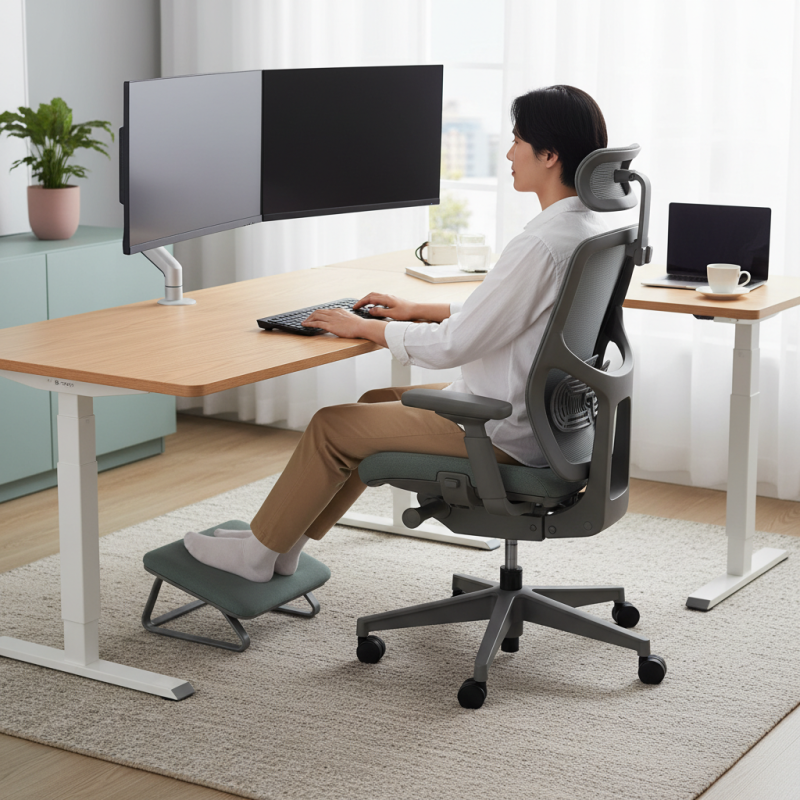
Top Ergonomic Furniture Tips for Maximum Comfort and Productivity
Creating a workspace that fosters comfort and productivity is essential. Choosing the right ergonomic furniture can greatly impact your daily routine. For instance, an adjustable chair allows you to find the perfect position. This keeps your spine aligned and reduces fatigue. Consider investing in a chair with lumbar support. It can alleviate lower back discomfort, making lengthy hours much more bearable.
Your desk height matters too. A workstation that allows your elbows to be at a 90-degree angle promotes better posture. A clutter-free desk enhances focus, but this can be tricky. It's easy to accumulate items that distract. Accessories like cable organizers can help keep your space tidy. Proper lighting is another often overlooked detail. Natural light is preferable, but a good task lamp can reduce eye strain.
Take the time to assess your needs. Reflection on how your furniture serves your routine is key. The ideal setup varies for everyone, but small adjustments can lead to significant improvements. A well-designed space should evolve with you. Remember, comfort and productivity are not just aspirations; they should be tangible results of thoughtful choices.
Understanding Ergonomics: The Science of Comfortable Workspaces
Understanding ergonomics is crucial for creating comfortable workspaces. Effective ergonomics combines science and design. It aims to enhance productivity and reduce discomfort. Proper workstation setup is essential. An ergonomic chair should support the lower back. An adjustable desk allows you to switch between sitting and standing. These small changes can lead to significant benefits.
Here are some tips for improving your workspace. Ensure your monitor is at eye level. This reduces neck strain. Your feet should rest flat on the floor or on a footrest. Adjust your chair height accordingly. Keyboard and mouse should be within easy reach. Also, take regular breaks. Standing up every hour can boost circulation.
Many still overlook lighting. Poor lighting can lead to eye strain. Ensure your workspace is well-lit but not glaring. Choose soft, indirect light where possible. Personalize your space but maintain simplicity. Clutter can distract and create stress. Effective ergonomics is all about small adjustments. These changes may require time to adapt. But the long-term benefits can be substantial.
Choosing the Right Chair: Importance of Lumbar Support and Adjustability
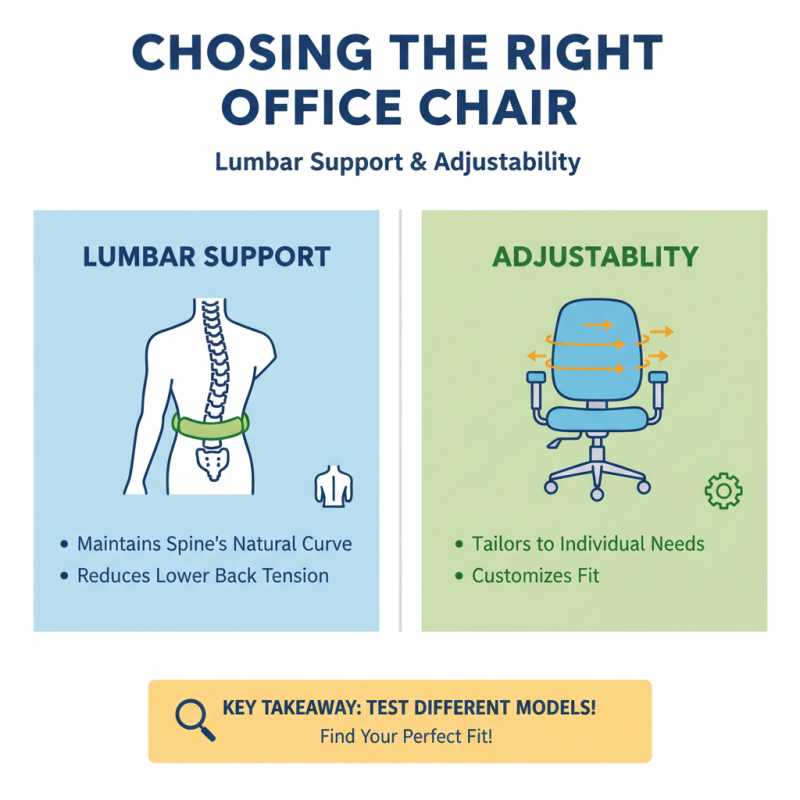
When selecting an office chair, lumbar support is crucial. Proper lumbar support maintains the natural curve of the spine. This helps reduce tension in the lower back. Many chairs offer adjustable lumbar support. This feature allows users to tailor the chair to their individual needs. However, not all chairs provide effective support. It’s essential to test different models to find what works best.
Adjustability is another key factor. A chair should allow adjustments in height, depth, and armrest position. Everyone's body is different, and a one-size-fits-all solution does not work. A chair that feels comfortable for one person may not suit another. Take time to adjust the chair until it feels just right. Remember to check the seat width and cushioning, too.
Comfort and productivity go hand in hand. An uncomfortable chair can lead to distractions and difficulty concentrating. It’s easy to overlook how a chair affects your day. Regular breaks for movement are also important. This not only helps mitigate pain but enhances overall productivity. Finding a chair with adequate lumbar support and adjustability is a step towards a more comfortable work environment.
Desk Height Matters: Aligning Your Workspace for Optimal Posture
Desk height plays a pivotal role in maintaining an optimal posture while working. The ideal desk height varies based on individual body dimensions, but a general guideline suggests that the desk should be at elbow height when seated.
According to the Centers for Disease Control and Prevention (CDC), poor ergonomics can lead to musculoskeletal disorders, affecting productivity and overall health. A well-aligned workspace reduces strain and enhances comfort, allowing for longer, more effective work periods.
To achieve an ergonomic setup, consider adjusting your chair and desk. Your feet should rest flat on the floor, creating a 90-degree angle at the knees. Keeping the monitor at eye level can reduce neck strain. Also, your wrists should remain straight, not bent down while typing. Incorporating these changes can significantly improve your focus and efficiency.
Tip: Regularly reassess your workspace. Are you experiencing discomfort? It might be time to tweak your setup. Take breaks every hour to stretch and reset your posture. This simple practice can rejuvenate your body and mind, leading to increased productivity. Ergonomics isn't one-size-fits-all; continually adjusting your workspace is crucial for long-term comfort and health.
The Role of Accessories: Incorporating Footrests and Monitor Stands
When it comes to achieving maximum comfort and productivity, the right accessories can make a significant difference. Footrests are a valuable addition to any workspace. They promote better posture and reduce the risk of fatigue. A well-designed footrest helps keep your feet flat and relieves pressure on your legs. A simple adjustment can transform an uncomfortable chair into a supportive seat.
Monitor stands play a crucial role in maintaining eye level alignment. Positioning your monitor at eye height helps reduce neck strain. It is common for users to underestimate their monitor's position, leading to discomfort over time. Many may find themselves slouching or leaning forward without realizing it. An adjustable monitor stand can provide flexibility, accommodating different heights easily.
Paying attention to these accessories is essential for creating a more ergonomic workspace. However, it is important to remember that everyone is different. What works for one person may not work for another. Experimenting with various adjustments ensures you find the best setup for your individual needs. Listening to your body can guide you as you make these adjustments. Strive for a balance between comfort and productivity in your environment.
Top Ergonomic Furniture Tips for Maximum Comfort and Productivity
Conclusion
The article "Top Ergonomic Furniture Tips for Maximum Comfort and Productivity" provides valuable insights into creating a comfortable and efficient workspace through the use of ergonomic furniture. It begins with an overview of ergonomics, emphasizing the science behind designing workspaces that promote well-being. Key factors include selecting a chair that offers proper lumbar support and adjustability to cater to individual needs, as well as ensuring desk height is optimized for good posture.
Furthermore, the article highlights the importance of accessories like footrests and monitor stands, which can enhance overall comfort and help maintain alignment during work hours. The impact of ergonomic furniture on productivity is also discussed, supported by data from various workplace studies indicating that a well-designed workspace not only reduces discomfort but also boosts efficiency and job satisfaction. By implementing these tips, individuals can significantly improve their working conditions and overall performance.